
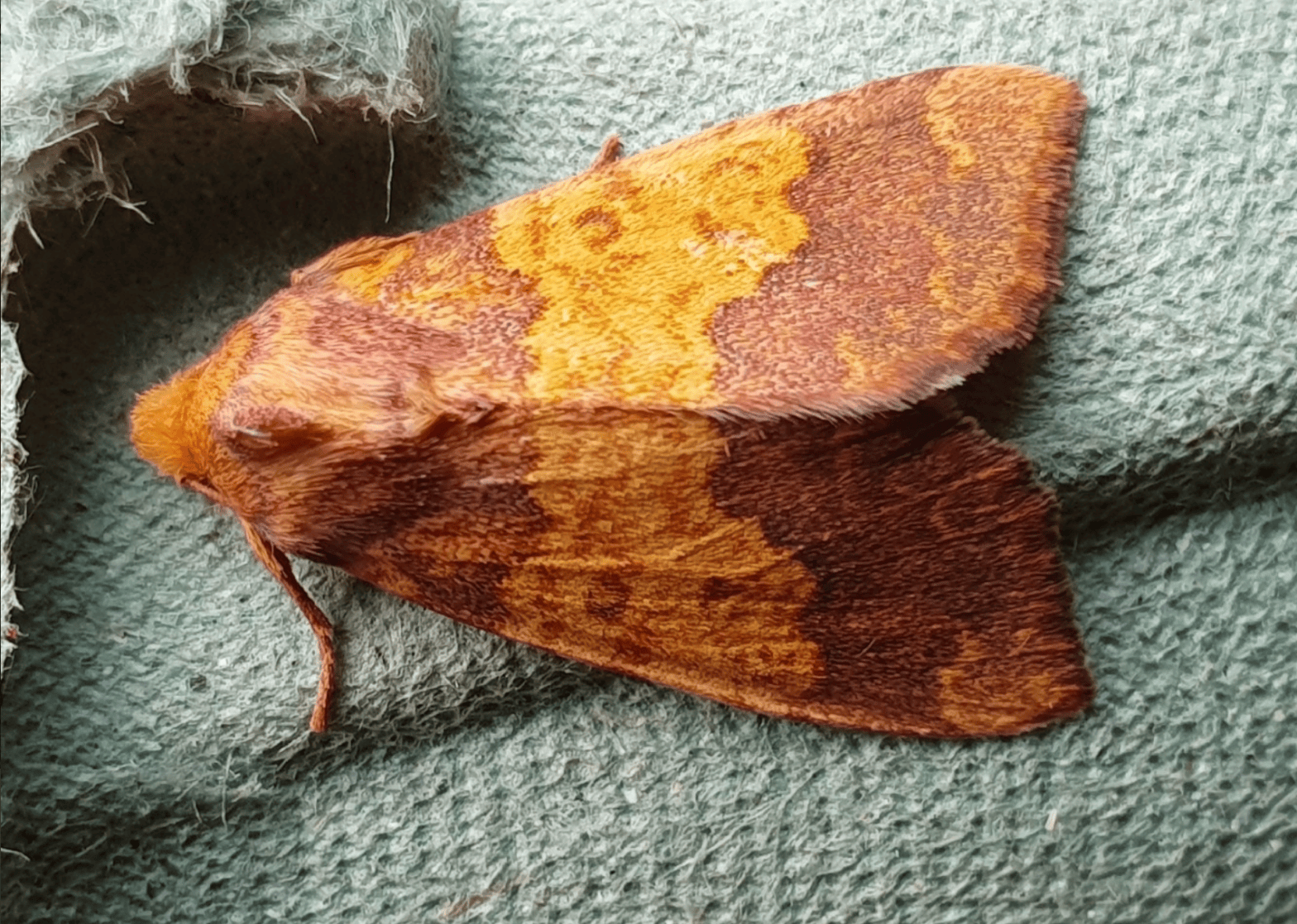
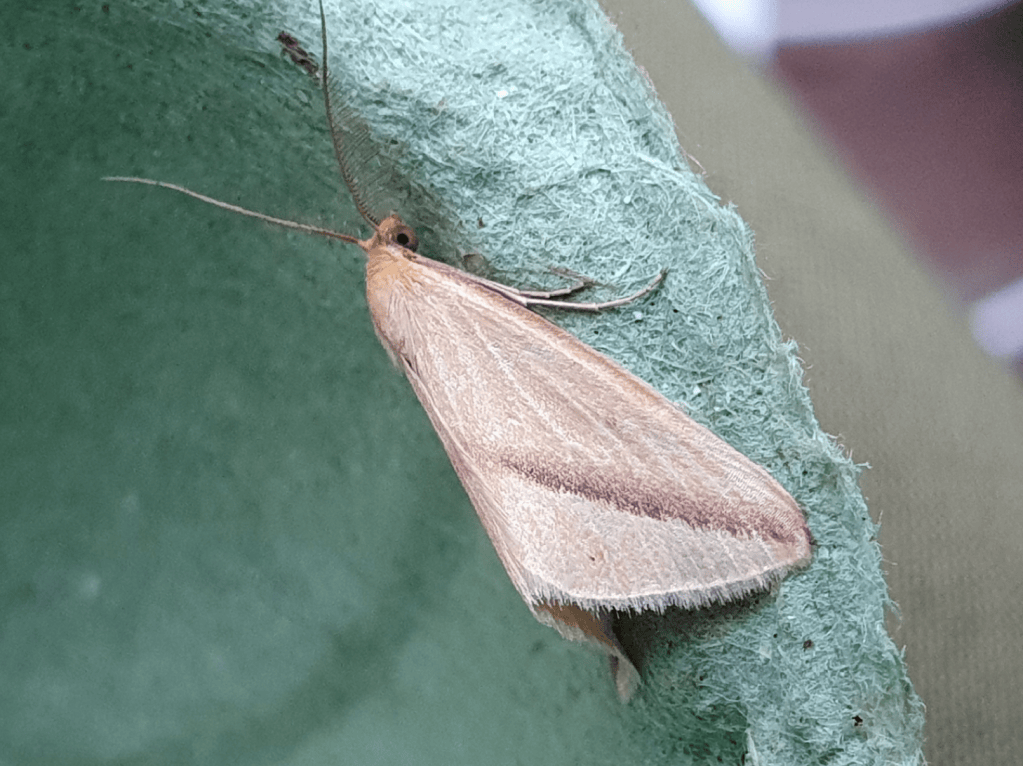
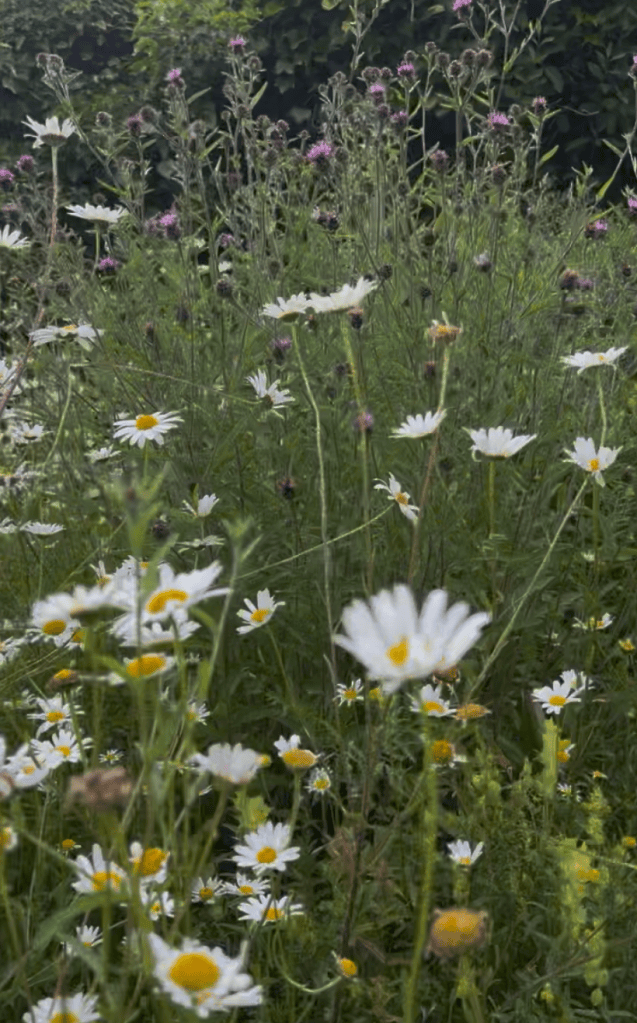
In September we tried an experiment – on two successive nights we set up a moth trap in two very different gardens to see if the way they’re looked after affects who lives in them.
On the first night we placed it in a garden that is mostly lawn, with some shrubs and perennials, some annuals, and a laurel hedge. It’s new to its owners, and the previous people had probably used pesticides like Roundup; it’s very tidy.
On the second night – also clear and dry, and quite warm – we placed the moth trap in a garden over the road that is looked after with wildlife in mind. It has paths mown through long grasses, a wide border maintained as a meadow, trees of various sizes, a pond and a veg patch. There are untidy areas of logs and sticks style and no pesticides are used.
What do you think we found? Even we were surprised!
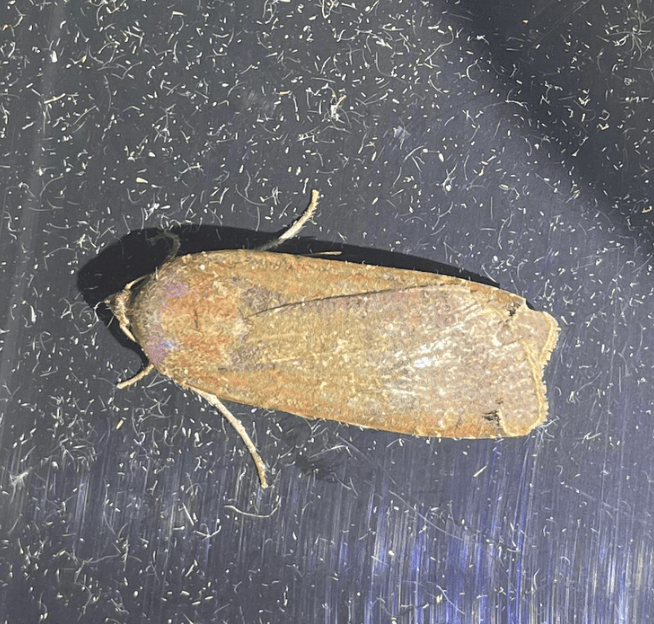
In the first garden, we found three moth species, mostly Lunar Underwings, but also this gorgeous Large Yellow Underwing:
But in the second garden we found fifteen different moth species: Vestal, Rush Veneer, Lesser Broad-bordered Underwing, Willow Beauty, Lesser Yellow Underwing, Lunar Underwing, Shuttle-shaped Dart, Square-spot Rustic, Large Yellow Underwing, Northern Deep-brown Dart, Broad-bordered Yellow Underwing, Barred Sallow, Pale Oak Beauty, Frosted Orange, and two whose IDs we’re not completely sure of. Wow!
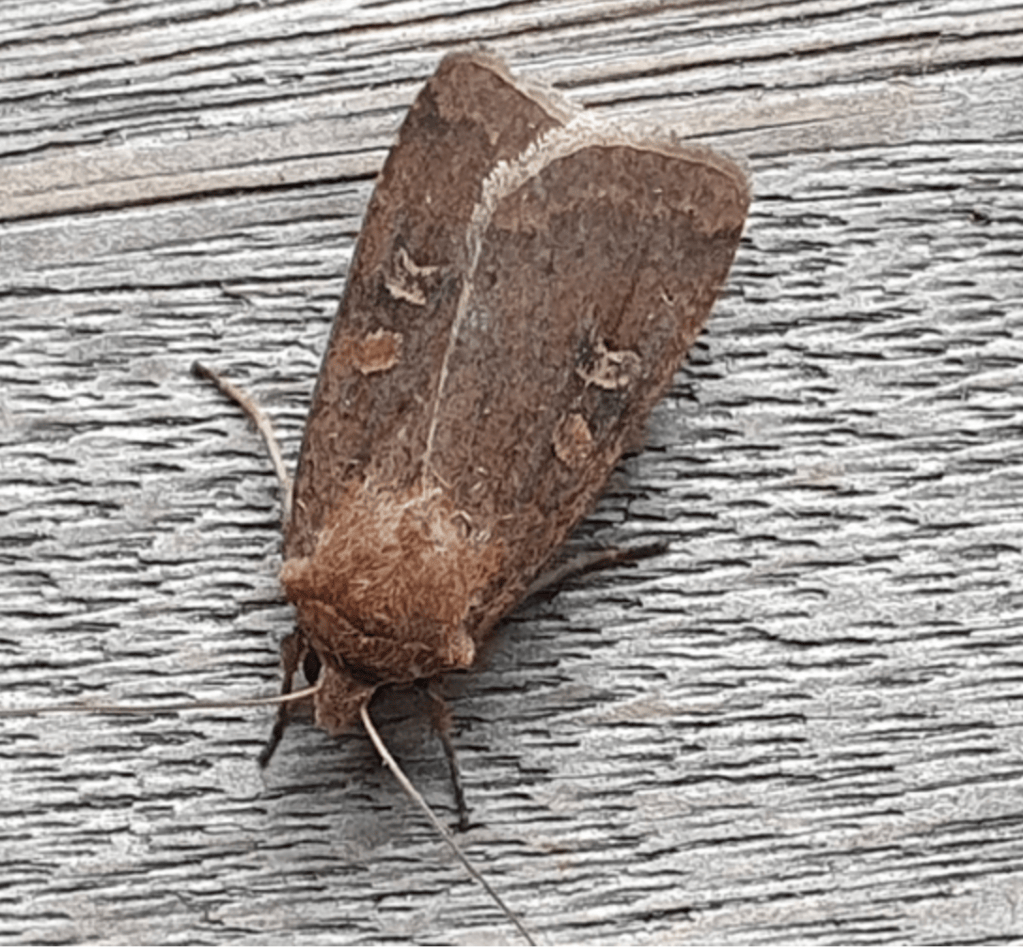
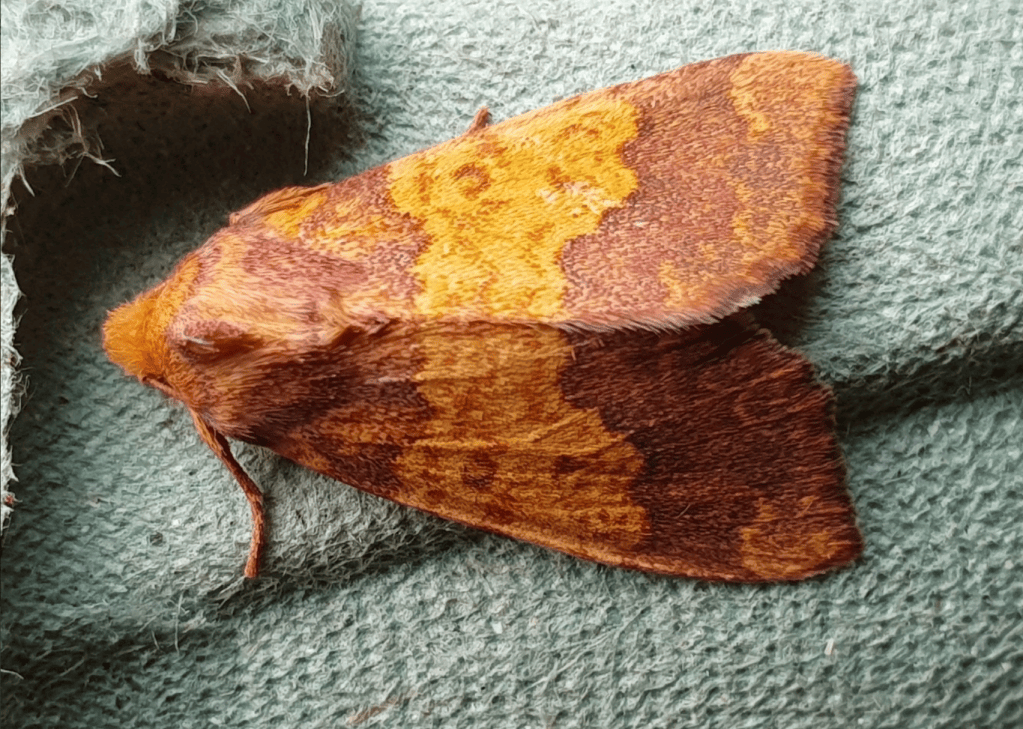
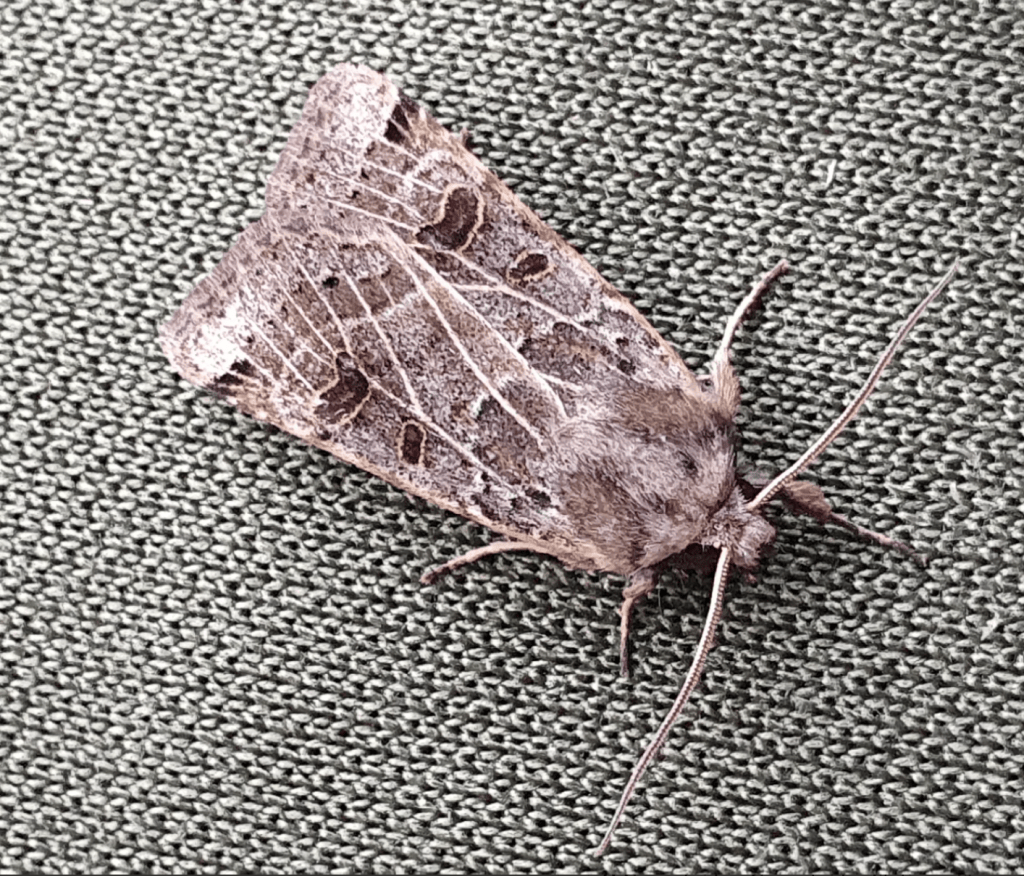
From left to right, these are: Square-spot Rustic, Barred Sallow, Lunar Underwing.
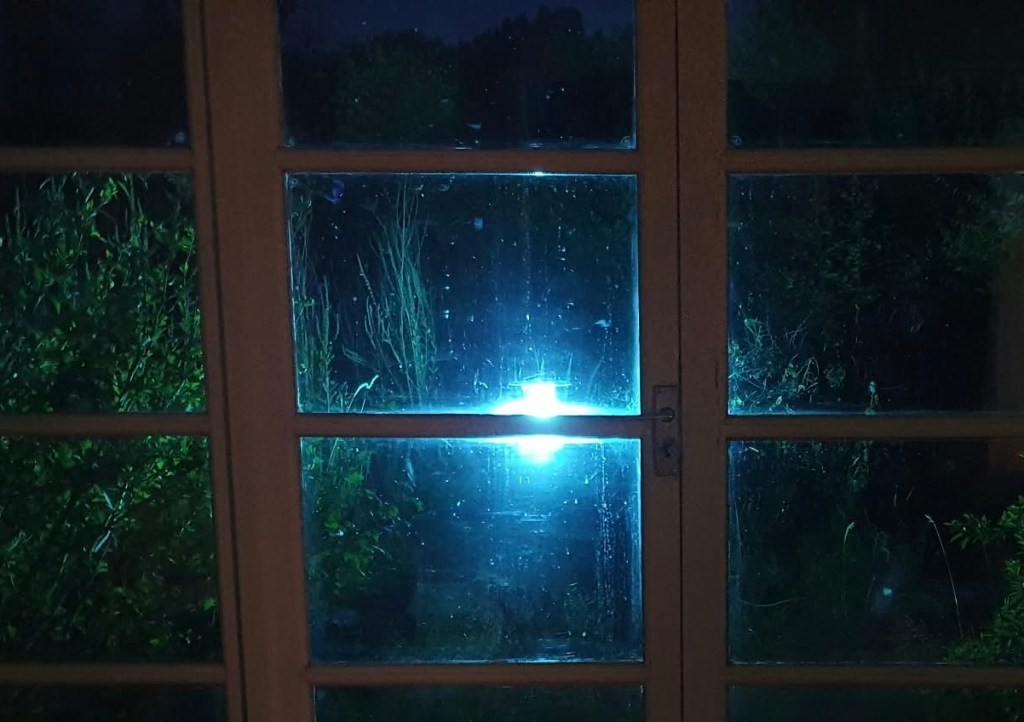
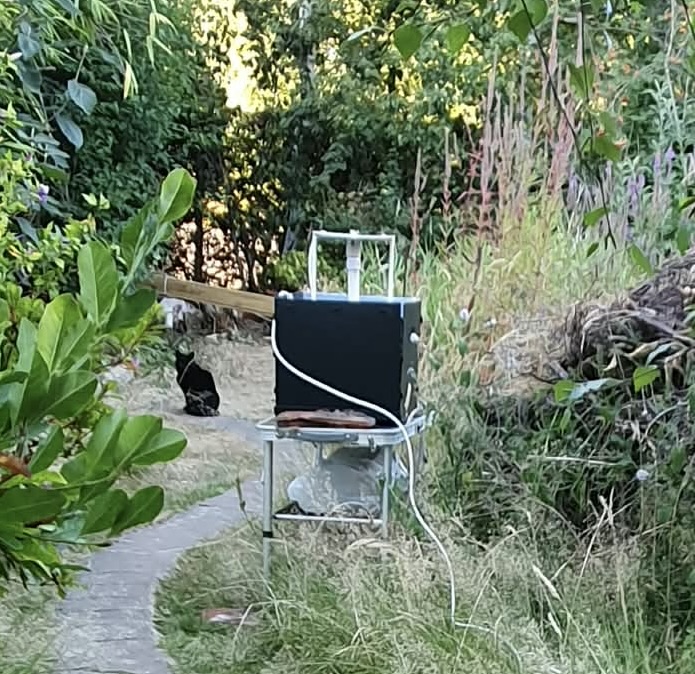
The kit is essentially a light to attract the moths, which fall into the trap below where they are safely kept until we check at dawn before releasing them. Here it is in daylight, and seen through a window at night:
We don’t know exactly which elements of the second garden attracted so many more moth species than the first, but we do know that planting native wildflowers for caterpillar and larval food and pollen makes a difference, as does having a pond (even a tiny one). Messy areas where invertebrates can hide from bad weather, and sometimes overwinter, are important. And avoiding pesticides makes a huge difference – they don’t discriminate so killing blackly also kills the butterflies and moths.
We’re hoping to find out more about the moths and butterflies that live in Groombridge so let us know if you’d like to get involved.

