

Andy Daw is a lifelong naturalist and an RSPB site manager with responsibility for several reserves in the south of England, including the 181 ha (448 acre) Broadwater Warren reserve on the edge of Groombridge.
Wild Groombridge’s Phil Sumner talked to him about the history and development of the reserve.
PS: How did the Broadwater Warren reserve come about?
AD: In medieval times Broadwater Warren was a mixed working landscape of marshland, wooded coppiced areas, heath and boggy ground, a multitude of micro habitats for wildlife. However it was planted with conifers in the 19th Century as a timber crop. In WW1 the trees were felled by the Canadian logging Corps and the timber shipped over to France for creating trenches. The site was then mostly open habitat until it was replanted , again with conifers, in the 50’s/60’s as there was a big push for the UK to have security in its own timber production rather than relying on imports. The site was then earmarked as a potential landfill site, which unsurprisingly wasn’t too popular with the locals. This ultimately resulted in the opportunity for the RSPB to purchase the site and revert the habitat back to its former glory as a heath.
To restore the heathland, non-native coniferous trees were removed from an area of approximately 85ha, with native trees and occasional pines retained as song perches. Heather seed can lay dormant in the soil for over 70 years, and the heather started to germinate and re-establish as soon as the trees were removed. The majority of the retained woodland is designated as plantation on ancient woodland and it is a much slower process to restore it back to a native woodland. We are gradually removing the non-native trees to allow sunlight to reach the woodland floor, which allows seed from native trees that are still present in the seed bank to germinate and establish but this is a process that will take several decades.
We have over 100 dedicated volunteers who help the wardens to survey and maintain the reserve often using traditional methods like coppicing which promote regeneration. We continually establish and improve our range of habitats. The Decoy Pond was one of the first areas to be restored in 2009 and is now home to a wide range of insects, amphibians and nesting birds. Some of the UK’s rarest dragonflies can be found there and you may see the nesting grey wagtails or even a heron or kingfisher.
Herbivores, like our herd of semi wild Konik ponies, goats and wild deer help graze the landscape. However, populations have to be controlled to avoid overgrazing which will prevent saplings, shrubs and wild pollinating plants to establish.
People might wonder why we close areas of heathland during nesting season, ask for dogs to be kept on leads and request visitors to stick to the paths. The reason is we need to protect nesting sites. Many birds, especially ground nesters like nightjars, are sensitive to disturbance.
PS: What advice would you give Wild Groombridge?
AD: Don’t be too tidy! – often neglected areas are the richest in biodiversity. Verges and scrub areas can often benefit from less intervention. Look at the rewilding of the Knepp Estate south of Horsham, there’s a lot to be learned from what they’ve done there. And share ideas with other wildlife initiatives and organisations. Think about Wildlife corridors – the RSPB is working with many other organisations – like the Ashdown Forest, Wildlife Trusts and the Forestry England – to develop connections that allow wildlife to move around unhindered.
PS: Has the original wildlife returned to Broadwater Warren ?
AD: Heathland birds like nightjars, woodlarks and tree pipits have returned to the site and in 2020 the first Dartford warblers nested (see headline photo)- we have had around a dozen pairs, but in an unusually severe frost last winter we lost perhaps half of these. We are establishing denser gorse areas to help our Dartfords and other species survive severe winters. To date over a hundred bird species have been recorded on the reserve and thousands of plant, animal and insects species . The original rich heathland biodiversity is returning year by year.
Overall on 226 RSPB reserves in 2022 more than 18,700 species were recorded and amongst these are many which are rare and struggling to survive.
For more information about RSPB Broadwater Warren visit : https://www.rspb.org.uk/reserves-and-events/reserves-a-z/broadwater-warren/
And keep an eye on their blog for recent sightings.
https://www.rspb.org.uk/reserves-and-events/reserves-a-z/broadwater-warren/recent-sightings/
The RSPB is one of the largest conservation charities in Europe with over a million members – For more details go to https://www.rspb.org.uk/
Below a few photos taken at Broadwater Warren
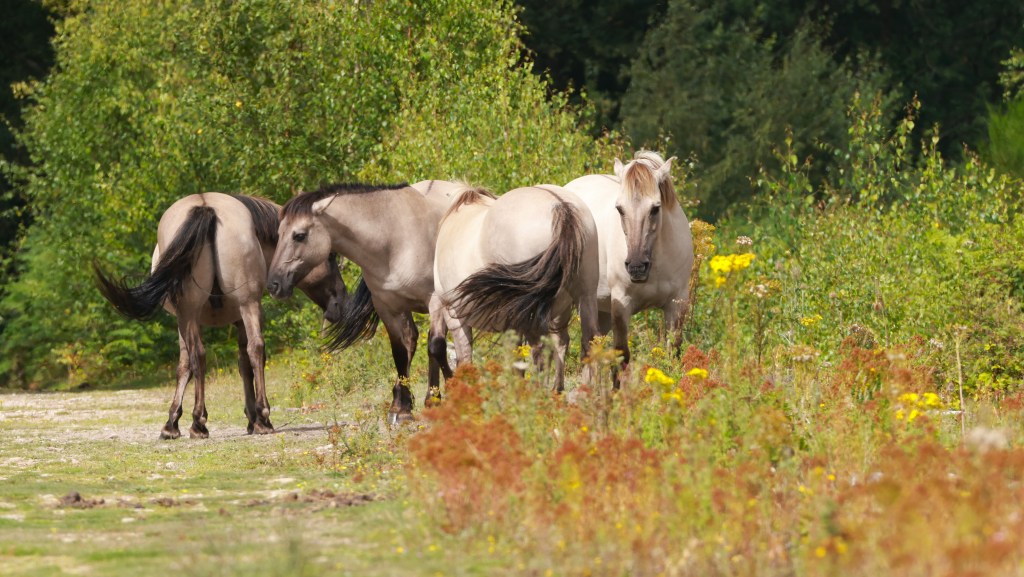
Semi wild Konik ponies (helping each other by sweeping away flies with their tails)

Whitethroat

Stonechat
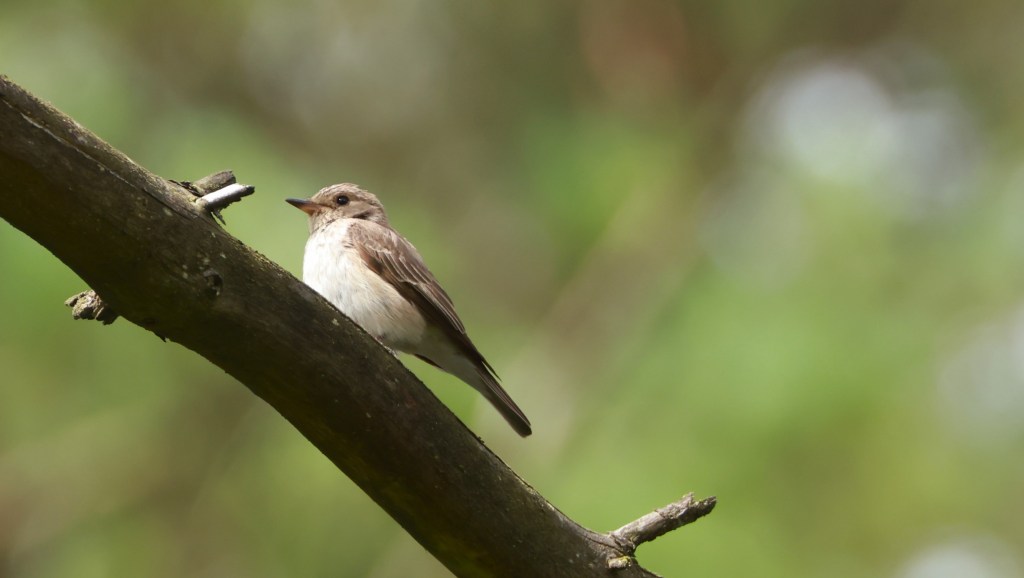
Spotted Flycatcher
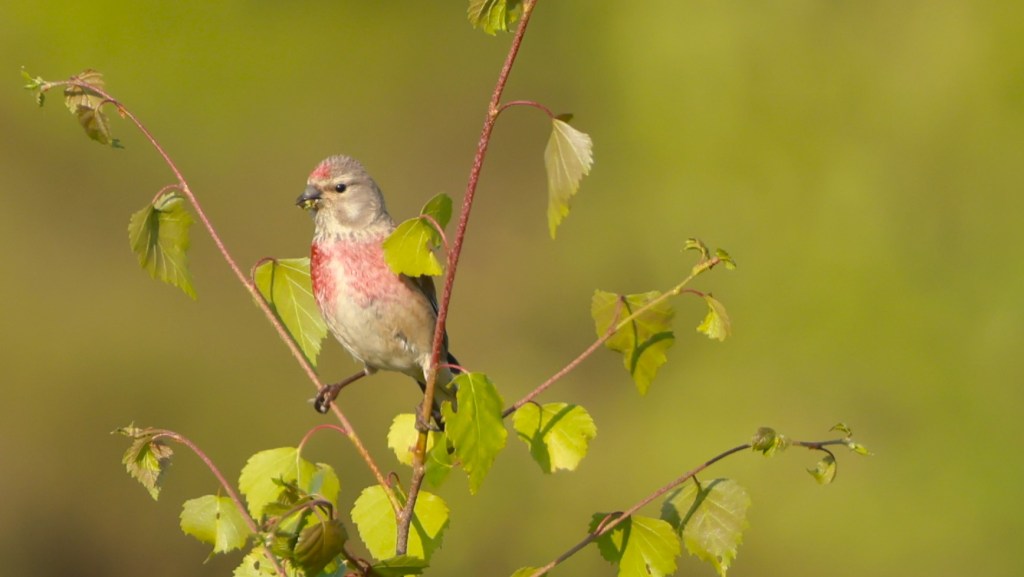
Linnet
 Wild Groombridge
Receiving a report on progress at Broadwater Warren is welcome. The work of RSPB and the volunteers is impressive.
As a local resident I would like to know if nightjars are currently nesting and if so, is it possible to see them, either individually or as part of a group?
LikeLike
Hi Michael, I asked Phil to reply and he says:
“Yes Nightjars are one of Broadwater Warren’s key success stories – they are ground nesting birds needing a special heath habitat to successfully breed. Last year over a dozen churring (very unusual sound!) male birds were counted during one night’s survey. They are summer visitors so arrive in April or May returning in August or September to sub-tropical Africa (Southern Congolian forest-savanna mosaic, Central Zambezian Miombo woodlands).
Every year the RSPB Broadwater Warren have several evenings of Nightjar viewing/ listening events in June when you have a good chance of hearing them and may see them flying (we did last year!). Next year have a look on their website where you can book the event – it’s an exciting experience hearing Nightjars as night falls and they recommend you book early because demand is always high.”
To Phil’s reply, I’d add that you don’t have to go on a formal RSPB event to see the Nightjars – we often walk over the fields from Groombridge (or cycle) on a warm evening in June and settle on a bench near the Nightjar viewing spot (it’s marked on their maps) with a flask and mosquito protection. They appear late, as the light is fading, and there’s never a guarantee you’ll see them but it’s always pretty magical to be in the Warren at dusk. (Don’t drive or you’ll get locked into the car park unless you are on an official RSPC evening event!)
Thank you for your comment!
Sarah
LikeLike
I am an cx RSPB member living in Groombridge. I stopped using the reserve because of dogs mess everywhere.
LikeLike
I’d hope there’s a lot less now that dogs must stay on leads – it certainly feels as if there are fewer dogs when I’m walking there. Sarah
LikeLike