
One of the most effective ways we can understand the health of our local environment is through birdlife surveys. As the RSPB notes, birds are “a vital barometer of the state of nature” (RSPB, 2023). Birds respond quickly to changes in habitat, food availability, and climate—making them excellent indicators of wider environmental conditions.
Tracking which species are thriving, which are declining, and which new arrivals are appearing in Groombridge can tell us a lot about the state of our local habitats—from ancient woodland to open farmland, hedgerows to gardens.
By carrying out regular bird surveys, we build up a picture over time that can help guide practical conservation efforts. For example, we know that over recent years we have seen serious decline in species that depends on hedgerows highlighting the need for better connectivity between habitats. Also many insectivorous species such as spotted flycatchers, house martins and swifts are becoming rarer hence our efforts to create more wildflower areas. These local insights are invaluable not just for Wild Groombridge, but also feed into national data that supports wildlife protection across the UK.
Get Involved: You can make a real difference by logging your bird sightings—and any wildlife observations—on our Wild Groombridge iNaturalist project. It’s free, easy to use, and your data directly supports local conservation efforts. Every entry helps build a stronger picture of the natural world right here on our doorstep.
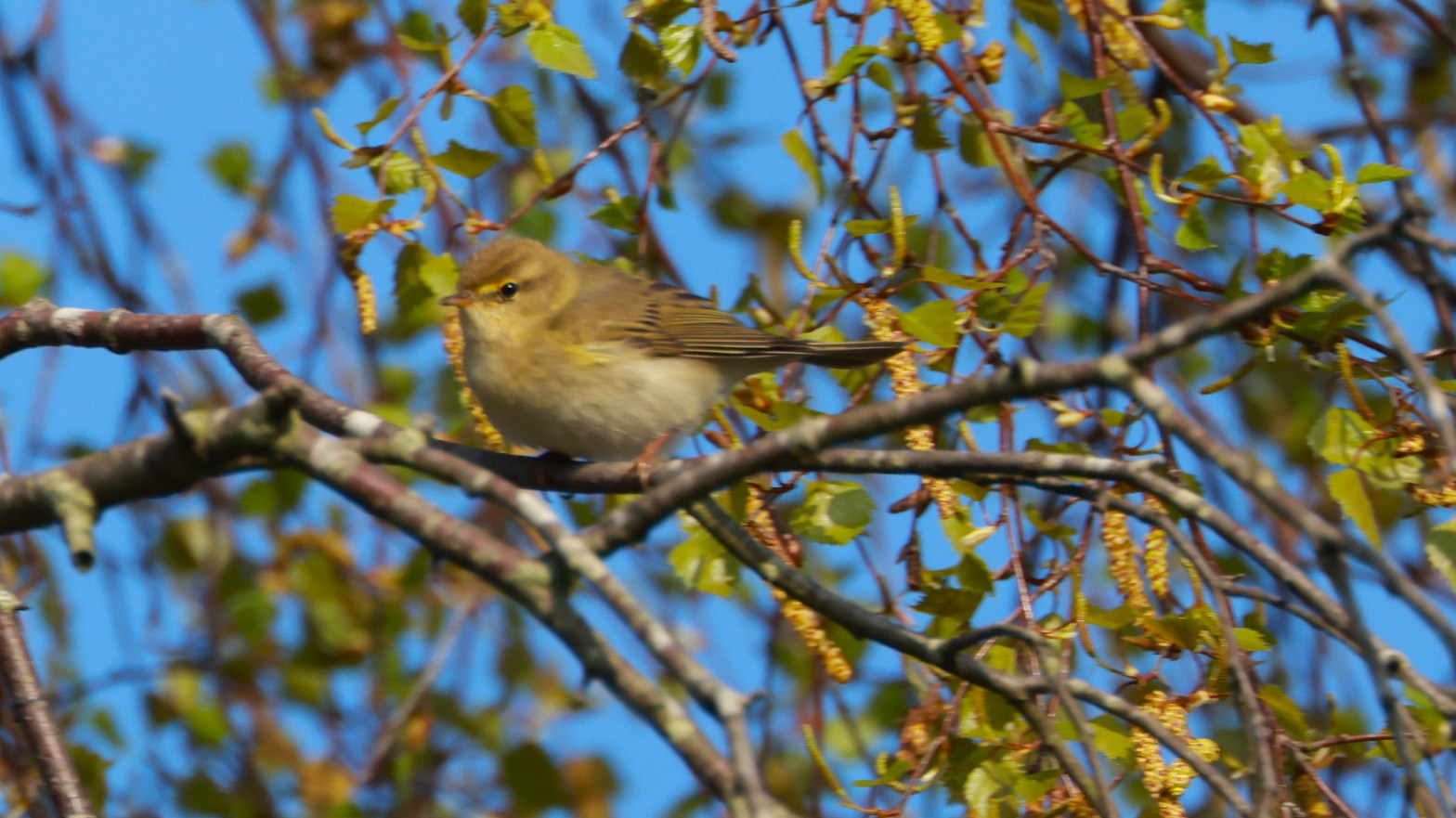
April and May is when we start our spring birdlife surveys. Our survey at Groombridge Place recorded a record 46 bird species in 2 1/2 hrs. And at Broadwater Warren, our local RSPB reserve where surveying is underway, you can now find Willow Warblers and Wood Larks and the iconic Dartford Warblers These photos taken in the last few days.
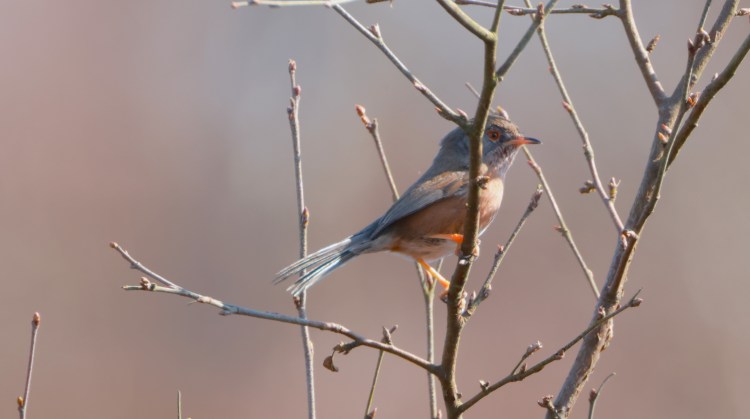
Dartford Warbler
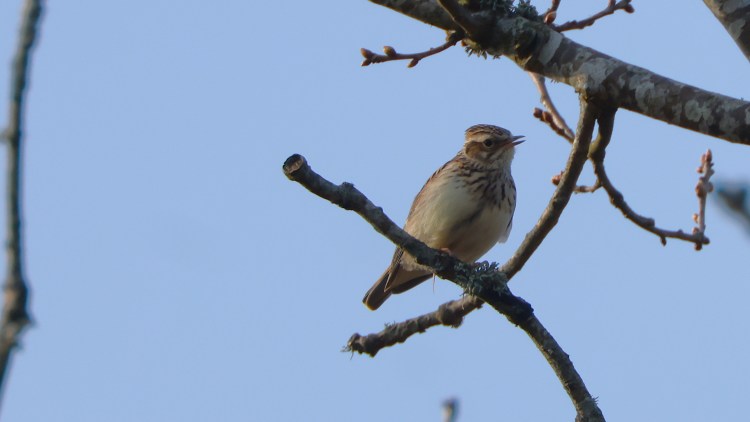
Wood Lark
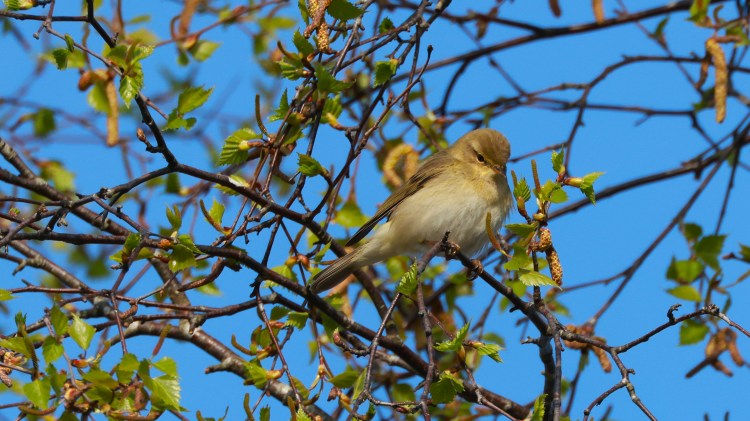
Willow Warbler
”Birds are excellent indicators of the health and sustainability of natural environments. They are also practical indicators, in that they are typically easy to find, count and identify, and are sensitive to changes in land use and climate”. Pan European Common Bird Monitoring Scheme.
 Wild Groombridge