
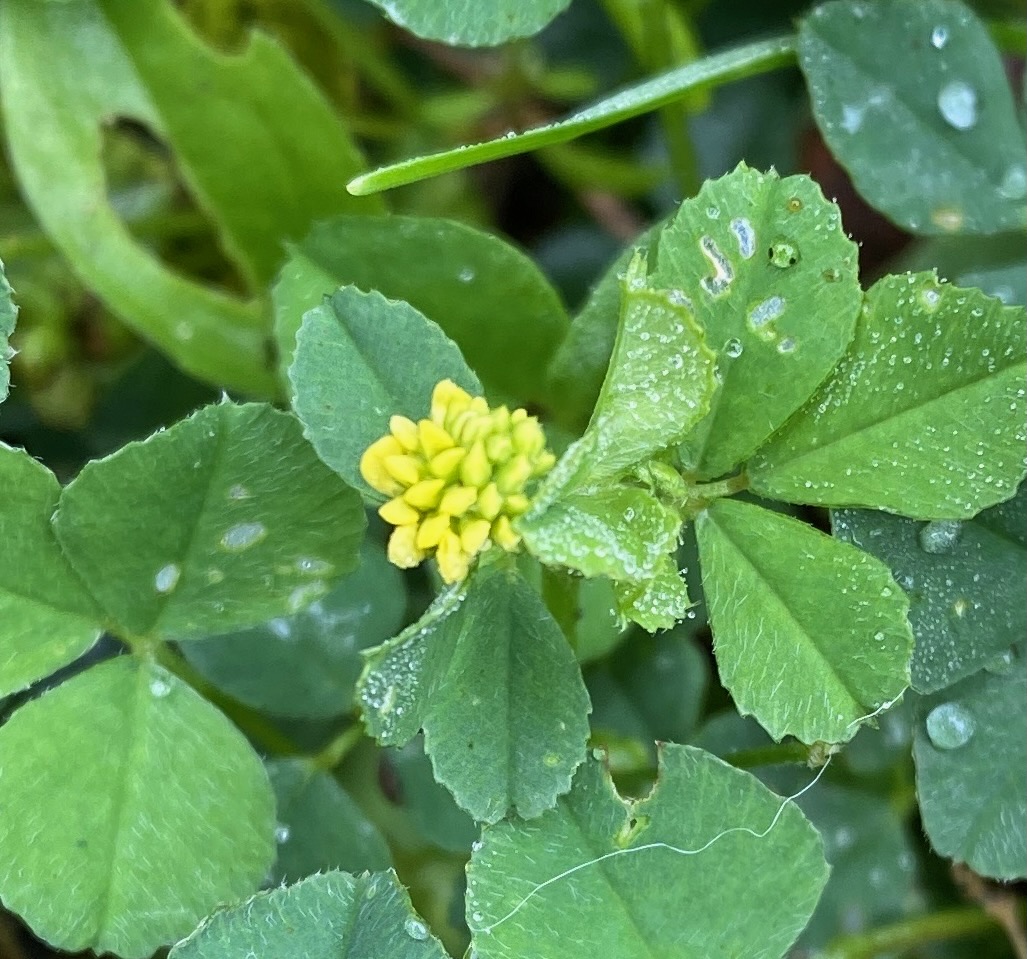
Wild Verge trial
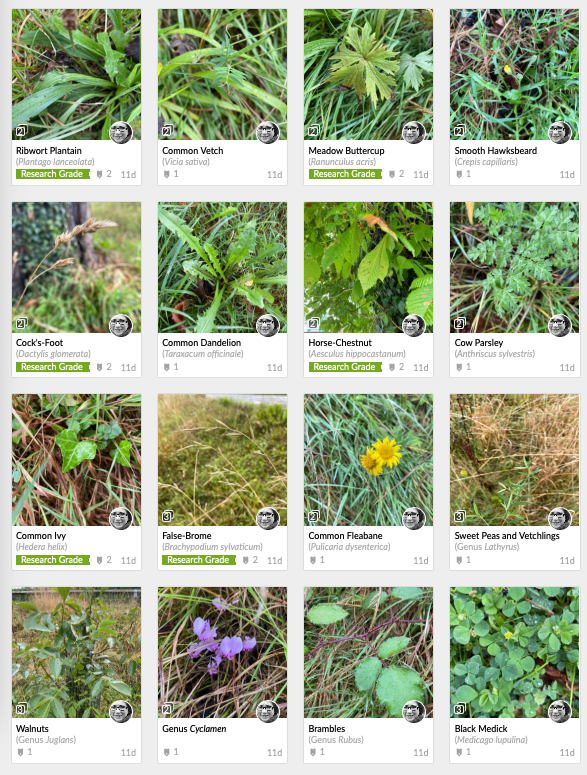
We’ve continued to survey the wild verge outside the parish council offices, and in September made 50 separate plant observations in one morning! We’re now surveying the three sections of the verge individually – so if we found Common Dandelion in all three areas, we noted them three times. But there were plenty of different plants to note and they’re all identified on our iNaturalist project page. Here are just a few:
You’ll probably have spotted that the seeds we sowed in spring didn’t thrive (Yellow Rattle in one section; Sussex Weald wild plants in another; we left the third). That’s fine, as this is a trial and we’re learning all the time. We think it’s mostly because the seeds arrived late, and because the weather after sowing wasn’t great. We’ll prepare the ground again and re-sow any day now.
Bats, dormice and other animals
On 1 October we’ll be out for a guided bat walk with James Duncan from Sussex Wildlife Trust. All 20 places went in a couple of days so if you’d like to know about future events, do keen an eye on this blog!
Phil and Ian have been out surveying for dormice and other wildlife, using tubes that show the pawprints of animals that pass through them and a camera trap. No dormice yet, but we’ve seen plenty of wildlife in the camera traps, from deer and mink (of course) to yellow wagtails and herons, all blissfully unaware of the lens.
We went to Rye Harbour for a day of training in ecological surveying, which was brilliant – there were groups like ours from all over the county, and we came away inspired to do much more surveying here in Groombridge. It’s fine to be an amateur so if you’d like to learn to survey (or have something you’d really love to look at more closely) get in touch.
Action
We had a great, muddy volunteer day clearing the invasive plant American Skunk Cabbage from the ghyll at Groombridge Place – thank you everyone!
We continue to put up bird boxes around the village and it looks as if they’re beginning to attract some interest. Young swifts found one pair of boxes – though starlings found them first – will the swifts return to nest next year?
 Wild Groombridge