

May is one of the best months to enjoy Broadwater Warren, our local RSPB reserve – as well as many of the familiar garden birds it’s alive with blackcaps, willow warblers , garden warblers and whitethroats – the Merlin app will help you identify them. The iconic heathland birds, stonechats and dartford warblers are rarer but look for them perched on the top of bushes and on the heather or wood piles.
Another summer visitor has very recently arrived and that is the nocturnal nightjar. Its churring call is quite eerie on warm summer evenings at dusk and you might even catch a glimpse as they hawk for moths – the males have a flash of white on the wings so more visible. They come all the way from Africa to breed, laying a couple of eggs on bare ground and relying on their uncanny camouflage to evade predators. They are extremely difficult to photograph (I’ve not been successful yet). However the new RSPB assistant warden Matt Orwin has managed some superb shots including the headline photo showing a nightjar and chick almost invisible in the heather.

Matt also uses infra red photography techniques to capture images without disturbance.
In recent surveys we have heard and seen between 20 to 30 bird species on the reserve in a couple of hours and overall during May over 50 species have been observed. This is testimony to the work that has been put in over the last 20 years transforming a sterile conifer plantation into a lowland heath with a mosaic of different micro habitats.
Here are a few photos taken on the reserve of some of my favourites.
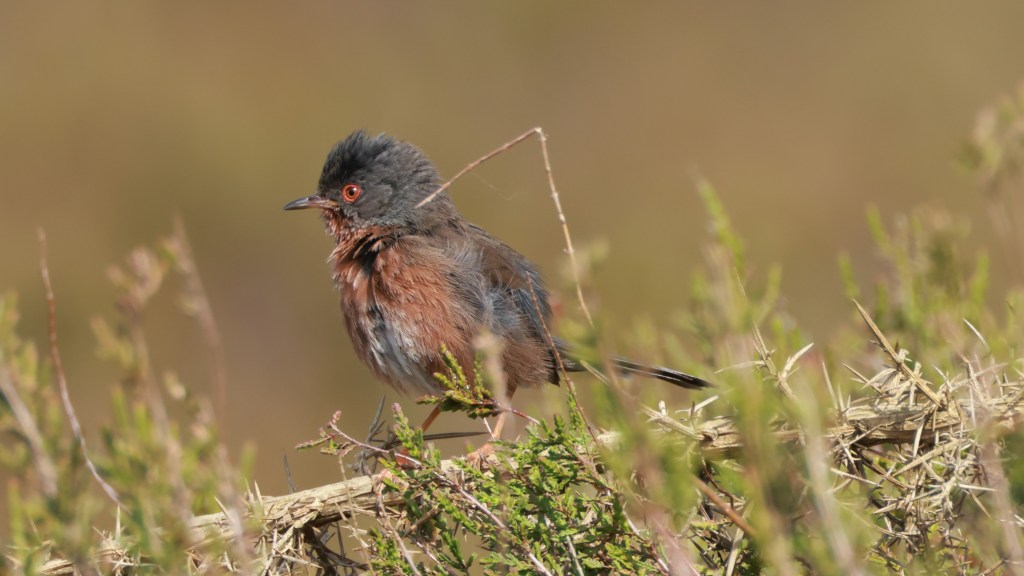
The unmistakable dartford warbler
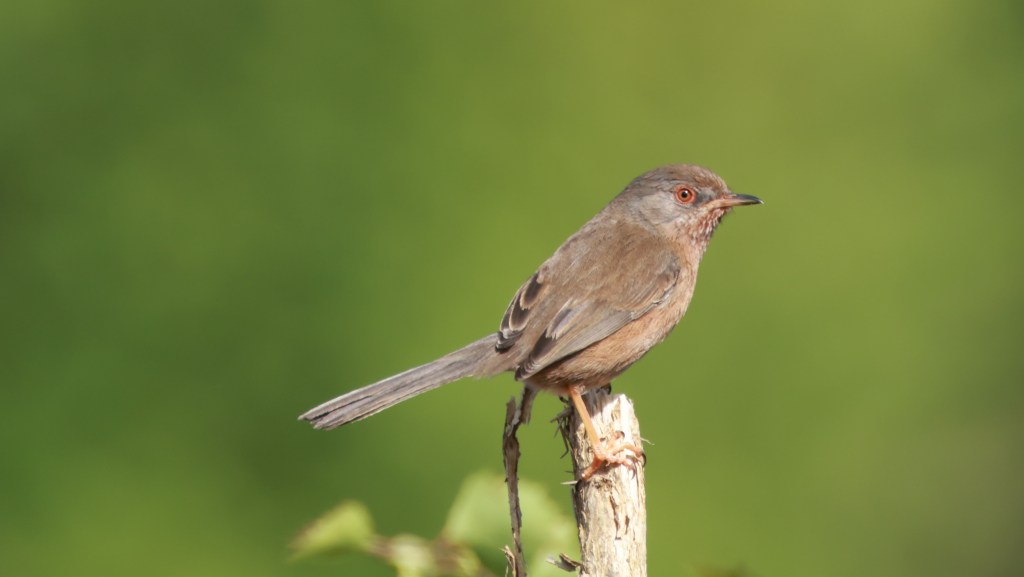
Here the female
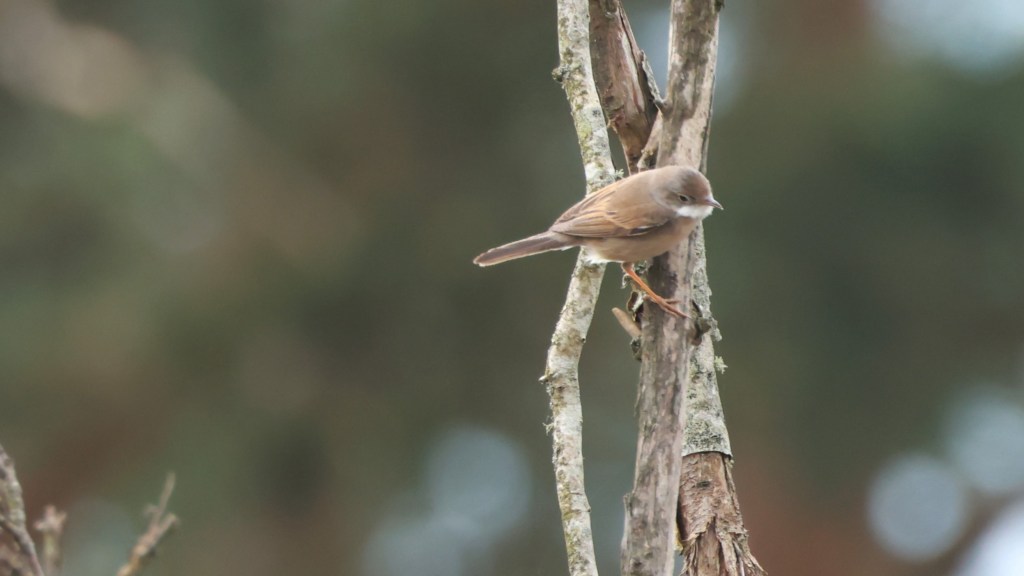
This is a whitethroat which can often be seen in display flight

whitethroat
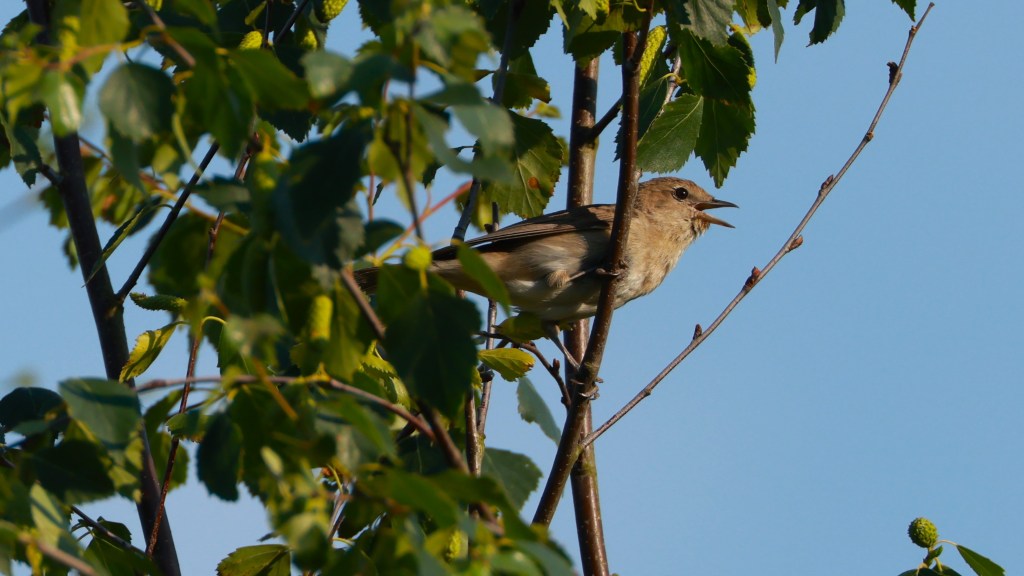
Garden warblers have a beautiful liquid song – apart from a touch of white about the eye they have few distinguishing features.
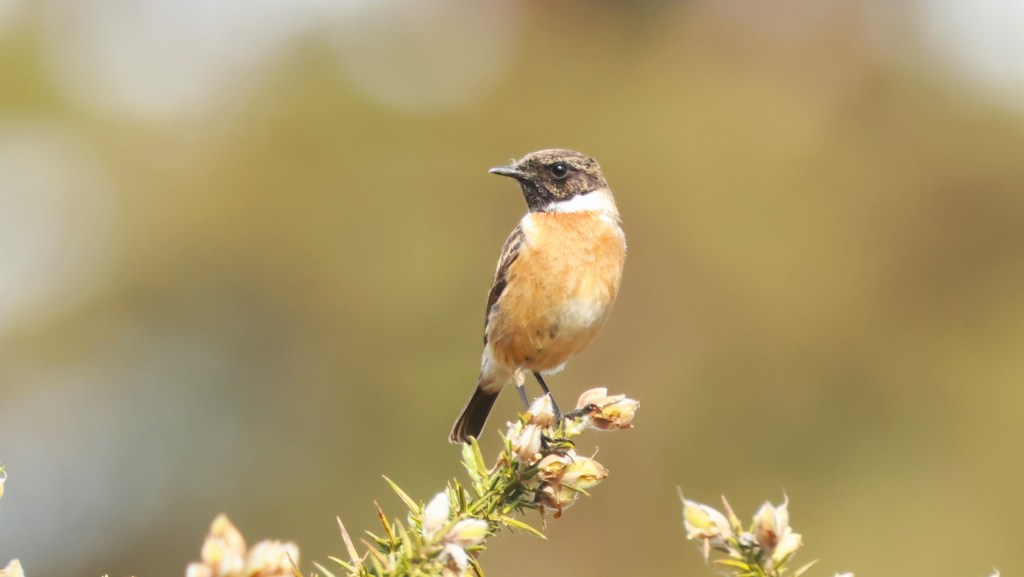
The stonechat is often heard before it is seen – imagine two pebbles being tapped together that’s what it sounds like.
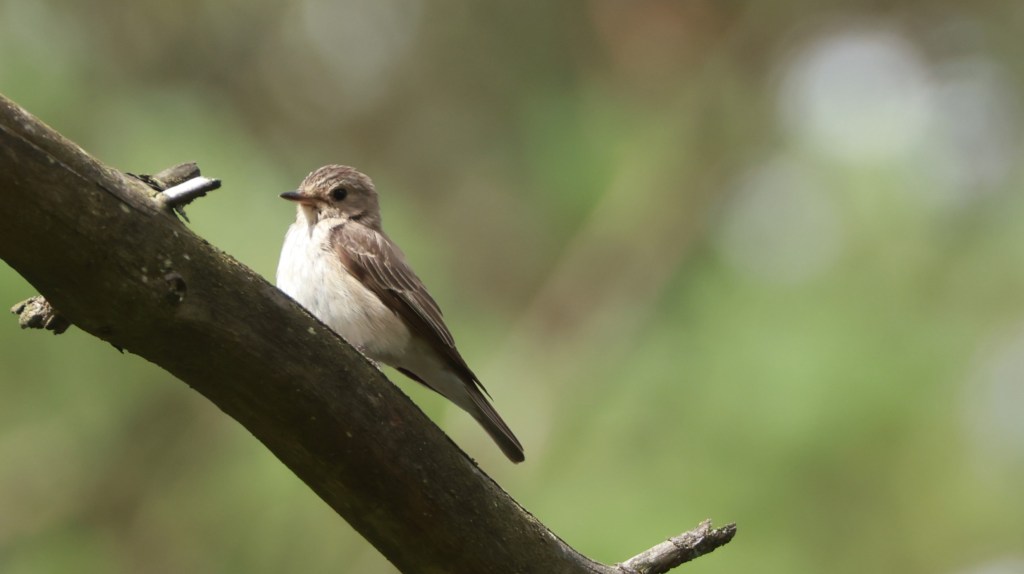
One of the last summer visitors to arrive is the spotted flycatcher – sadly its rare these days but if you are lucky you will see it returning repeatedly to the same perch after some amazing acrobatics as it catches flies on the wing.
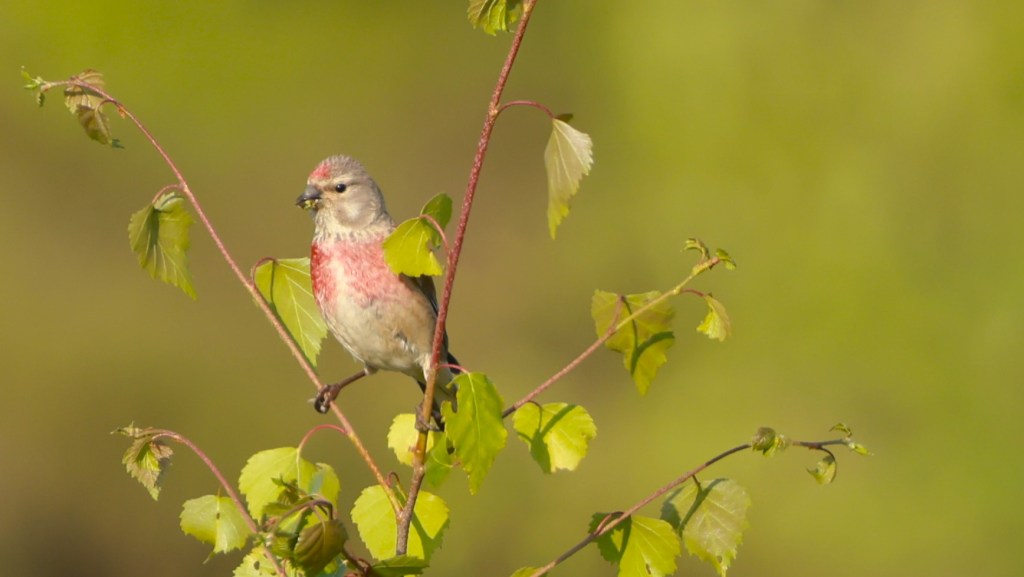
This is the male linnet – the female looks similar but without the pink – they travel in small groups and are quite common on the reserve.
Phil
May 2024
 Wild Groombridge
Interesting and informative article Phil. As always brilliant photos.
Ian
LikeLike